Craft Ideas Sea Shells That Kept My Kids Busy for Hours
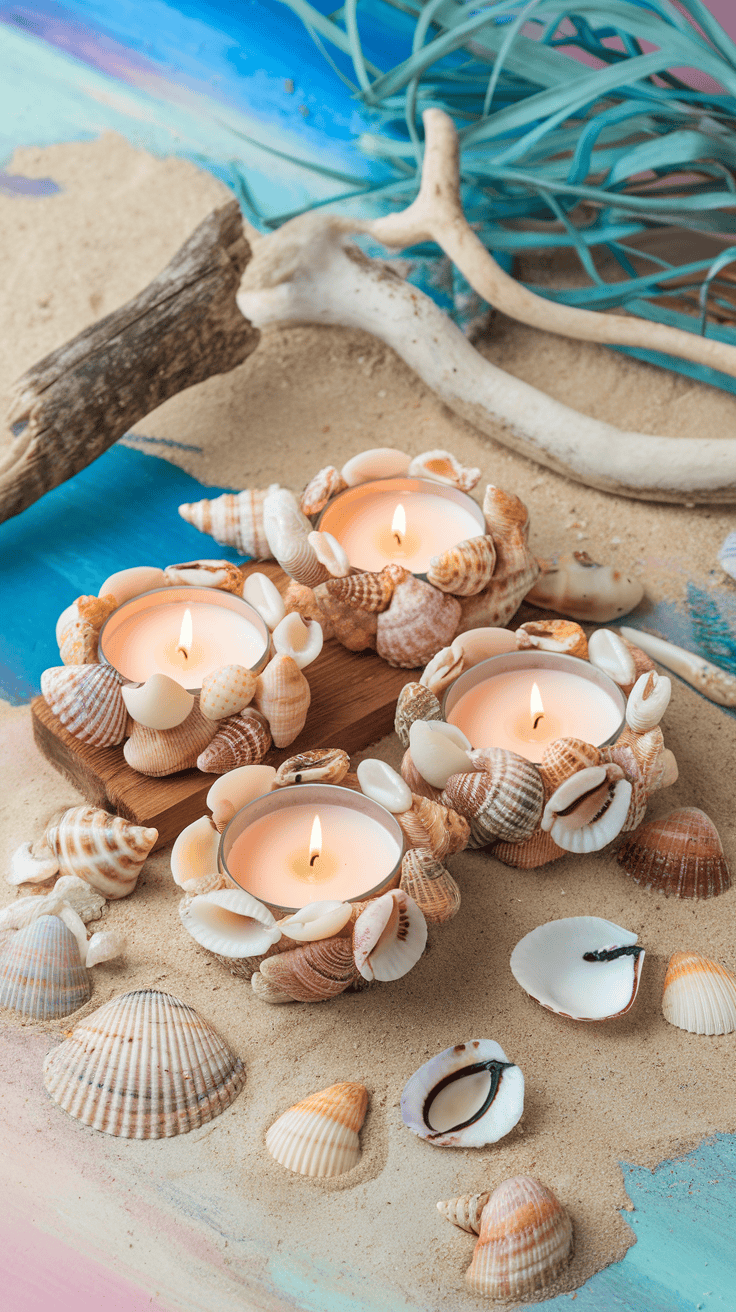
There’s something magical about bringing a little bit of the beach home, especially when turning sea shells into creative projects with kids. Craft ideas with sea shells are a simple way to keep little hands busy and curious minds happy!
Not only do these hands-on activities encourage creativity, but they also help with fine motor skills, and it’s a great excuse to use those tide pool treasures!
You don’t need fancy supplies or complicated steps. Just some imagination, a pile of shells, and a table to work on. If you’re looking for ways to spend a fun afternoon or fill a quiet weekend, these shell projects deliver hours of play and plenty of smiles.

Why Sea Shells Make the Perfect Craft Supply for Kids
Sea shells aren’t just pretty souvenirs from the shore—they’re the secret ingredient that makes “craft ideas sea shells” projects a hands-down favorite in my home. With their mix of textures, shapes, and colors, these natural treasures turn an ordinary afternoon into something special. Let’s break down what makes sea shells such a winning supply for creative projects.
Texture That Sparks Curiosity

Sea shells have a unique, tactile quality you can’t find in regular art supplies. Their ridges, bumps, and smooth spots keep little fingers busy exploring. This texture isn’t just fun; it’s also helpful for sensory play, making kids more engaged while they glue, paint, or string shells together.
Endless Variety to Inspire
No two shells are the same, and that’s part of the fun. You’ll find tiny spirals, big clam shells, rough oyster shells, and more. This variety gives each project a personal touch and sparks kids’ imaginations. They might see a snail, a butterfly wing, or even a tiny boat—each shell can become whatever they dream up.
Easy to Find and Affordable
One of the best things about “craft ideas sea shells” projects is that shells are easy to get. If you live near the coast, a walk on the beach can fill a bucket in no time. Even if you’re landlocked, craft stores and online shops offer big bags of affordable shells. This means everyone can join in the fun without spending much.
Sensory Play Adds Another Layer
Working with sea shells isn’t just about making something pretty. The feel, weight, and sound of real shells add a sensory experience that kids love. Handling cool, smooth shells or listening to the gentle clatter they make on a table helps children relax and focus. They learn while they play, which is always a bonus.
Versatile for All Ages
Sea shells adapt to any project, big or small. Little ones can simply sort or glue them into pictures, while older kids can make jewelry, wind chimes, or tiny creatures. With the flexibility to match every age and skill level, sea shells meet kids where they are.
To sum it up: sea shells are more than just pretty. They tick every box—affordable, engaging, sensory, and brimming with possibilities. The next time you’re looking for a way to keep hands busy, reach for that box of shells and let the creativity flow.
How to Clean and Prep Sea Shells for Crafts

Before you start any “craft ideas sea shells” projects, it’s smart to clean and prep your shells. Freshly collected shells often arrive from the beach with sand, salt, and little surprises inside. Prepping them not only keeps your home smelling fresh, but also gives you beautiful, safe materials to work with. Getting your kids involved in shell prep is just as fun as the projects themselves. Here’s how we do it together, step by step.
Safe Collecting and Sorting
Start with a quick look over your stash. Toss out any shells with sharp edges or cracks to avoid any finger scrapes later on. Make a simple sorting game with your kids by grouping shells by size, shape, or color. Not only is this safe, but it also teaches sorting and simple classification skills.
- Check for damage: Set aside broken shells.
- Make it a game: See who can find the most colorful, the biggest, or the oddest shell.
- Separate types: Put similar shells together in small containers or muffin tins.
Washing Away Sand and Debris
Next, get rid of sand, mud, and bits of seaweed. This is a great job for little hands. Children love the sensory feel of wet shells and water.
- Rinse shells under running water. Let the kids swish shells in a bowl of cold water to remove loose grit.
- Scrub gently: Use old toothbrushes or soft nail brushes. Kids can help scrub away stubborn dirt.
- Repeat if needed: Some shells may need an extra rinse if they’re especially sandy.
Pro tip: Spread shells on a beach towel or old rag to dry. Let kids help lay them out in patterns or shapes for extra fun.
Sanitizing for Safety
Sometimes shells can hide odors or unseen bacteria. Here’s a simple way to sanitize them:
- Fill a bucket: Mix one part white vinegar to three parts water.
- Soak shells: Let shells sit for 10-15 minutes, but not much longer. Vinegar can dissolve delicate shells if soaked too long.
- Rinse well: Rinse each shell again with clean water to remove any leftover vinegar scent.
Alternate method: For extra peace of mind, boil shells in water for five minutes. Just keep an eye on them, and use tongs to remove them safely.
Drying and Polishing
Let your clean, sanitized shells dry completely before you use them in any “craft ideas sea shells” projects. Damp shells won’t stick well to glue or paint.
- Lay out to dry: Arrange on a towel in a single layer, ideally in the sun for a few hours.
- Add a shine: If you want glossy shells, rub each one with a bit of mineral oil or baby oil using a soft cloth. This makes their colors pop and adds a smooth touch kids love.
Involving Kids Every Step of the Way
Kids don’t just want to do the decorating—they love helping prep too. Give them safe, hands-on tasks:
- Let them help sort and rinse shells.
- Give them a brush for light scrubbing.
- Let them arrange cleaned shells in patterns while drying.
This prep process turns into its own mini project. It sets the stage for all your “craft ideas sea shells” activities and makes everyone feel like a real beach explorer.
Ready shells are the secret to long-lasting, fun art projects that look great and stay safe for your kids.
Easy Sea Shell Crafts for Young Kids

Little hands love working with natural treasures. If you’ve got a pile of beach shells and young kids at home, you’re set for easy art projects that will hold their attention—and leave you with keepsakes worth saving. These “craft ideas sea shells” projects are perfect for toddlers and preschoolers, using simple steps and kid-safe materials.
Sea Shell Collage Art
Collage art is always a winner for preschoolers. Sea shells add exciting shapes and textures to flat art. Set out a large piece of paper or cardboard, a bottle of nontoxic glue, and a handful of shells. Kids can arrange shells to make patterns, simple shapes, or even scenes—think sunshine, flowers, or silly faces.
Here’s what works best with little ones:
- Spread glue with paintbrushes for easy handling.
- Let kids layer shells, buttons, or pebbles for more color and texture.
- Add paint or crayons before gluing to make a background.
- Stick to small shells: Large shells are tough to glue and might fall off.
Collage art gives kids creative freedom. There’s no “right” way. If you want to display their work, let the collage dry flat overnight.
Simple Shell Necklaces
Turning a shell into a wearable necklace brings a taste of the beach everywhere your child goes. For safety and simplicity, pick larger shells with natural holes (no drilling needed) or use a blunt needle to thread yarn through smaller holes. Yarn is softer than string, so it’s easier for little hands to use and safe for preschoolers.
Steps to make a shell necklace:
- Help your child string a shell onto a long piece of yarn.
- Add chunky wooden beads or large pony beads as spacers.
- Knot the ends so it slips easily over the head.
Kids can swap shells, wear their new jewelry, and give necklaces as gifts. Supervise closely with toddlers, as even chunky string may be tempting to chew.
Decorative Shell Picture Frames
Old frames get a new life with shells glued around the edges. Even a dollar-store frame looks fancy with a few colorful shells, and this project builds fine motor skills. Use big, smooth shells for younger kids, and a strong, nontoxic school glue.
To make a shell photo frame:
- Brush glue onto the frame.
- Let your child press shells around the edge. Leave space between shells for extra style.
- Add sparkles, sequins, or buttons if your child wants more color.
Once dry, pop a favorite beach photo into the frame. Your kids will beam every time they see their work displayed.
All these craft ideas sea shells activities are simple, safe, and spark hours of creative play for the littlest artists. The best part is sharing the finished pieces or using them to decorate your space, so every day feels a little bit like the beach.
Intermediate Sea Shell Projects for Ages 6 and Up

When your kids outgrow the basic glue-and-stick projects, it’s time to try some intermediate craft ideas sea shells that offer a bit more challenge. These projects are perfect for elementary-aged kids who love using their hands and want to make something to show off or gift. Each idea below uses simple supplies and lets children use their creativity and design skills while building patience and fine motor abilities.
Shell Wind Chimes
Bringing a gentle seaside sound to your space, shell wind chimes are always a hit. Kids get to plan, arrange, and tie shells together in ways that look beautiful and sound soothing.
To make your own shell wind chime:
- Gather an assortment of shells, driftwood, fishing line or sturdy thread, and a strong glue.
- If needed, help kids make holes in shells using a small hand drill (adults should handle this part for safety).
- Lay out the shells in rows on a table to test how they’ll look.
- Tie or glue shells onto lengths of fishing line. Space them apart so they won’t tangle.
- Attach each line to a piece of driftwood or a sturdy stick, and make sure to secure knots well.
- Add a loop to the top for hanging.
Kids will have fun planning their pattern and listening to their wind chime on a breezy day. These wind chimes make great gifts or outdoor décor and can be styled in endless ways—colorful, natural, or mixed with beads.
Painted Sea Shell Magnets
Painting sea shells and turning them into magnets adds a practical twist to any collection. This project boosts both creativity and neatness, as it asks for patience with detail painting and gluing.
Here’s how to make painted sea shell magnets:
- Wash and dry medium or large shells.
- Set up acrylic paints, brushes, palettes, and paper towels.
- Let kids paint shells with bold designs, silly faces, or patterns. Metallic paints or glitter pens add sparkle.
- Allow shells to dry fully before moving to the next step.
- Glue a small, flat magnet to the back of each shell using strong craft or hot glue (an adult should supervise this part).
- Wait for the magnets to dry—then test them on the fridge or a whiteboard.
Painted sea shell magnets turn boring surfaces into art galleries. Kids love seeing their artwork every day and swapping magnets with friends or siblings.
Shell Creatures and Animals
Some shells already have a look of their own, making them perfect for turning into sea animals, land critters, or even magical creatures. This project is open-ended and encourages kids to imagine and invent.
To make shell creatures:
- Collect various shell shapes and sizes, along with googly eyes, pipe cleaners, felt, and colored glue.
- Arrange shells to look like a body, head, and limbs. Use smaller shells for ears or fins.
- Attach pieces with glue. Let kids use pipe cleaners for legs, tails, or antennae.
- Stick on eyes and draw faces with marker.
Some fun ideas kids might try:
- Hermit crabs using round shells and red pipe cleaner legs.
- Turtles by gluing smaller shells on top of a large shell for a shell “hat.”
- Butterfly creatures with scallop shell wings.
- Fantasy monsters with felt tongues and lots of eyes.
With craft ideas sea shells like these, there’s no limit to what kids can invent. Each project helps build confidence and stays fun from start to finish. These keepsakes are perfect for decorating bedrooms, giving as gifts, or just playing pretend.
Tips for Crafting Success

When it comes to “craft ideas sea shells” projects, a little planning goes a long way. Kids are happiest—and their ideas flow more freely—when the setup feels relaxed but organized. Creating a comfortable workspace, having supplies within reach, and showing interest in their ideas can turn a simple activity into a memorable experience for the whole family. Here’s how to set the stage for fun, creative success.
Setting Up a Kid-Friendly Workspace
Choosing the right spot for art time is key. You want an area that handles spills, splatters, and scattered shells without stress.
- Cover the table with old newspaper, a plastic tablecloth, or a washable mat.
- Keep a damp cloth nearby for fast cleanup.
- Choose a space with good lighting and enough room for everyone to spread out their shells and supplies.
- Set out aprons or large shirts if you’re working with paint or glue.
This setup signals to kids that it’s okay to get a little messy and make mistakes, which is where the best ideas come from.
Must-Have Tools for Sea Shell Projects
It doesn’t take much to make “craft ideas sea shells” activities a hit, but the right tools make everything smoother.
Here’s a simple supply list to get you started:
- Nontoxic glue (white school glue works for little kids, stronger glue for older ones)
- Paints and brushes for adding color
- Thick markers or colored pencils for extra details
- Yarn, string, or fishing line for jewelry and hanging projects
- Old toothbrushes for cleaning shells
- Child-safe scissors for paper or felt accents
- Googly eyes, buttons, pipe cleaners for decoration
- Magnets, plain frames, or wooden shapes as sturdy bases
Lay supplies out in open bins or trays. This helps kids find what they need without constant help and encourages independence.
Supervision and Encouragement
Every age level benefits from a different level of supervision. Younger kids need closer watch, especially if paint, glue, or tiny beads are involved. Older kids enjoy a bit more freedom but still love when an adult takes interest in their work.
- Keep a close watch when using strong glues or sharp objects.
- Let kids try things their way, even if their method looks different.
- Celebrate unique ideas and cheer on creative choices.
Mistakes and messes often lead to the best results, so remind kids it’s okay if their project changes along the way.
Creating a Creative Mindset
Kids thrive when you make space for their ideas and encourage out-of-the-box thinking. Try these proven ways to get kids’ imaginations buzzing:
- Ask open-ended questions like, “What does this shell remind you of?” or “How can we use these shapes?”
- Invite kids to mix and match shells with buttons, paper, or paint.
- Share your own sea shell memories or funny ideas to get the stories flowing.
- Accept wild colors, playful faces, or odd designs—what matters is the fun and self-expression.
Encourage group effort for bigger projects, or let each child make their own piece. The point is to let them feel in charge and proud of their work.
Getting Kids Invested from Start to Finish
Involve kids in every stage. Ask for their help with setup and cleanup so they feel like true creators and team members. When they see their “craft ideas sea shells” artwork displayed on the fridge or given as gifts, you boost their creativity and confidence for the next project.
A little preparation and a positive attitude make art time something everyone looks forward to… no fancy supplies or art degrees needed. Every shell becomes a doorway to imagination, and each messy glue stick tells a story worth sharing.

Conclusion
Turning sea shells into art and play has filled our days with laughter, focus, and hands-on discovery. These simple craft ideas sea shells don’t just keep kids busy—they help them build skills and create memories that last long after the glue dries. Each project becomes a keepsake and a story, making every shell special.
Try these ideas with your own family and see what unique pieces your kids come up with. I’d love to hear which projects brighten your space or help your kids explore their creativity. Share your results below or swap favorite shell ideas with friends.
If your family enjoyed these sea shell projects, stay tuned for more nature-based activities that invite imagination and curiosity into every day. Thank you for spending your time here, and for making creative moments part of your family’s story.
This post may contain affiliate links. Read the full disclosure here.