Unique Coastal Wall Art That Adds Instant Character
As a mom of three energetic boys, I am always looking for quick ways to make our home feel calm, cozy, and fun, and unique coastal wall art is my go-to for instant character!
Coastal art works hard for busy family homes. It brings soft blues, sandy textures, and simple shapes that feel calm after a loud day. Woven frames, sea grass mats, and driftwood tones add texture without clutter. It can be kid friendly, budget friendly, and renter approved, which is huge when you face blank walls, sticky fingers, rental rules, and very little time.
I’ll share room-by-room ideas you can try today. Think entry, living room, bath, kids’ rooms, and even the hallway gallery. You’ll see easy DIYs, like printable art, fabric wraps, and shell shadows. I’ll include styling and safety tips for little hands, plus smart shopping sources that don’t blow the budget. Let’s make your walls feel breezy and happy, fast!

What Makes Unique Coastal Wall Art Feel Fresh, Not Cheesy?

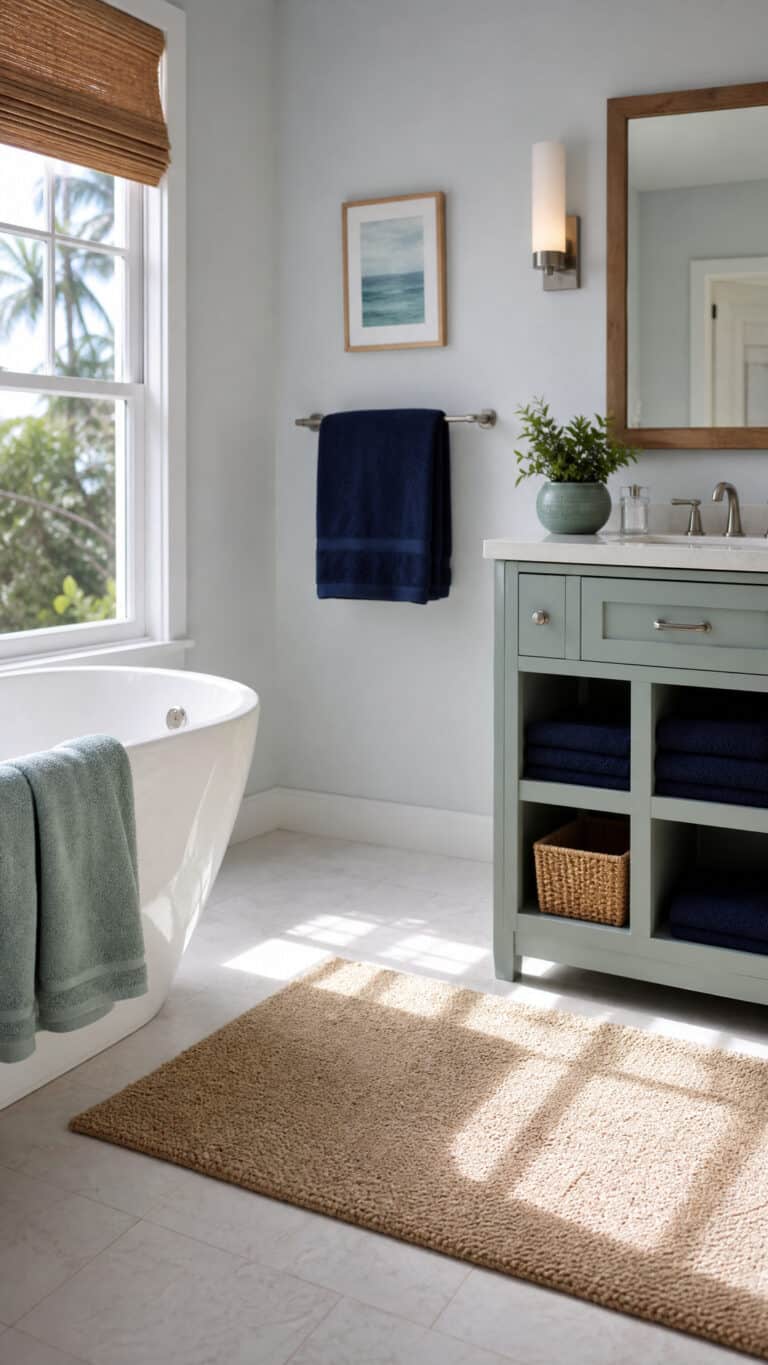
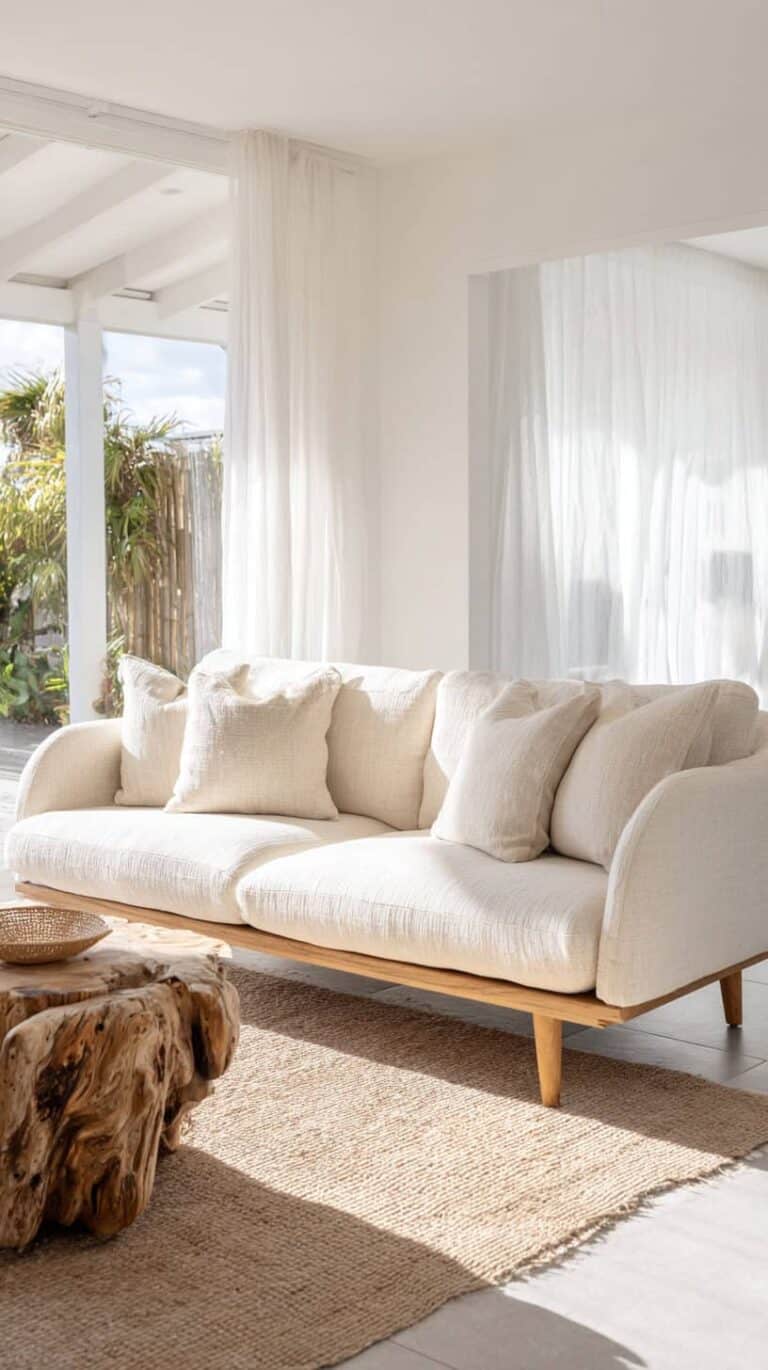
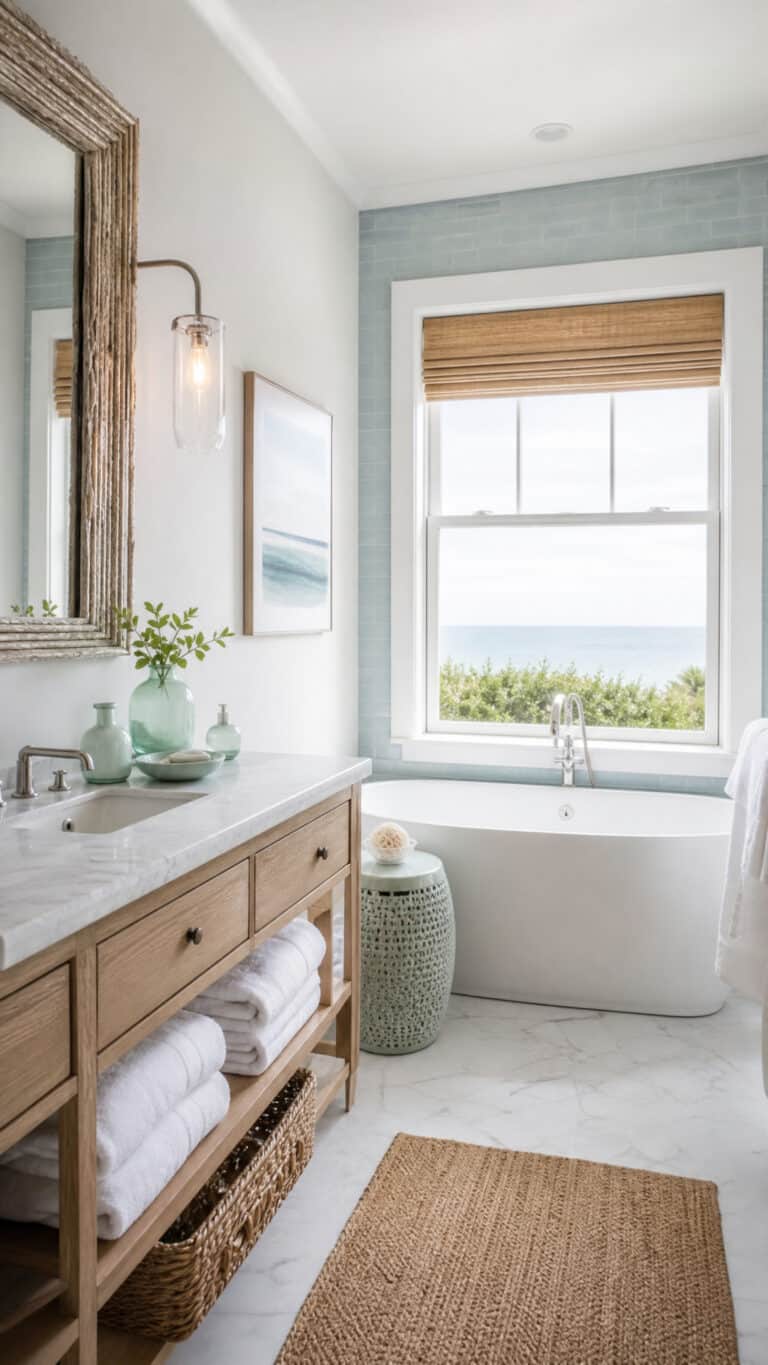
I keep my walls calm and happy with unique coastal wall art, and it never feels kitschy because I focus on texture, color, and scale that look natural in a family home. I skip obvious anchors and plastic shells. I choose pieces that could have washed up on shore or lived in a local studio. That approach makes the room feel relaxed and grown up, even with three boys racing past it.
Natural Materials That Bring Real Beach Texture

I reach for materials that age well and hide prints. Life with kids is messy. These textures forgive a lot and look better with time.
- Driftwood: Soft, sun-worn wood that hides dings. It laughs at fingerprints. Mount with two D-rings and a wire if it is long; for lighter sticks, use sawtooth hangers.
- Sea glass: Frosted pieces feel like tiny jewels. Place in deep shadow boxes with linen backing. Secure with museum putty or tiny glue dots on the back, not the edges.
- Rattan: Easy to wipe and naturally matte. Try rattan frames or shallow trays hung as art. Use keyhole hangers so they sit flat.
- Jute: Rough, sandy texture that hides smudges. Wrap a canvas in jute fabric, staple on the back, and hang with a french cleat for stability.
- Linen: Breathable and subtle. It blurs marks and adds a soft weave. Line shadow boxes or mats with linen for an instant coastal feel.
- Grasscloth: Rich texture that looks upscale. It is great for backing open frames. Avoid direct splashes; a light vacuum with a brush keeps it clean.
- Clay: Handbuilt clay tiles or small reliefs add earthy charm. Fingerprints do not show. Mount on a painted wood panel with epoxy and use D-rings.
Quick tips I lean on:
- Keep finishes matte to hide smears and glare.
- Seal driftwood with a clear water-based matte sealer if it sheds.
- Use felt bumpers on frames so kids do not knock them crooked.
- For high-humidity baths, choose rattan, sealed wood, and glass. Skip raw paper.
Sourcing with care matters to me. I buy driftwood from makers who collect after storms or from craft suppliers. If you want to collect, check local beach rules. Some beaches protect driftwood and shells. Take only small, loose pieces, and avoid live habitats. For sea glass, I often buy from local sellers at markets, which supports the community and keeps our beaches healthy.
Beyond Navy and White: A Warm Coastal Color Palette

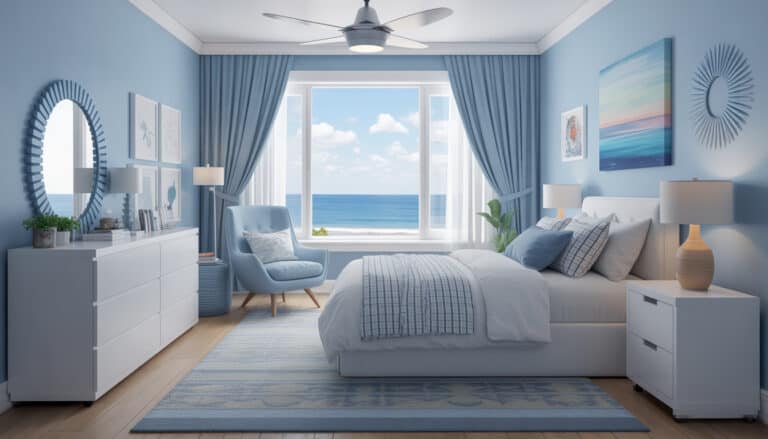
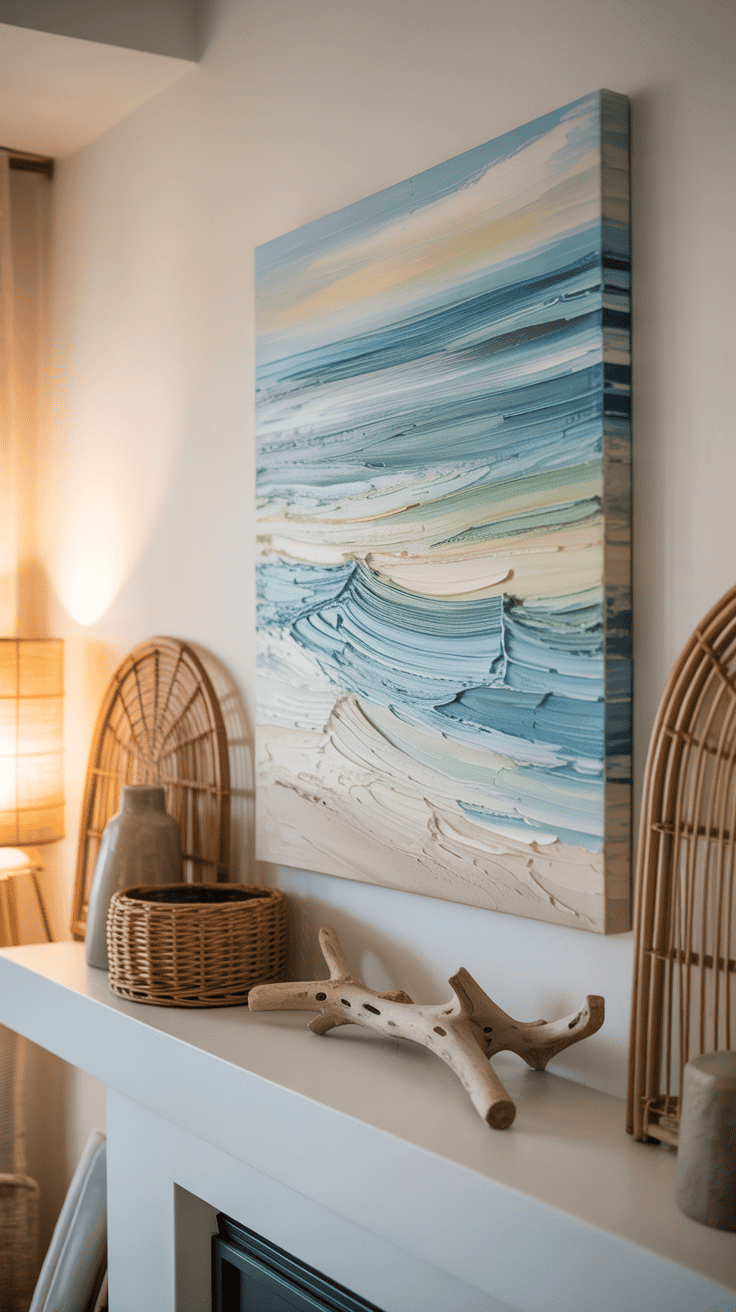
I love blue, but I balance it with cozy tones that feel like sand and sky at sunset. Think sand, shell, seafoam, fog gray, faded coral, and clay. Warm whites and wood frames soften stronger blues and keep the room from feeling cold.
Here is how I build palettes that breathe:
- Warm whites: Use off-white with a hint of cream. It makes blue art feel friendly, not sharp.
- Wood frames: Oak, ash, or driftwood tones add warmth. Walnut gets moody and grounded.
- Brass details: A tiny bit of soft brass feels like sunshine on water.
Quick combos that never fail me:
- Seafoam + sand + brass: Seafoam print, sand-colored mat, thin brass frame. Repeat brass in a lamp and a small tray.
- Fog gray + driftwood + linen: Moody gray seascape, driftwood frame, linen mat. Add a linen pillow and a gray throw to tie it in.
- Faded coral + shell + clay: Coral abstract, shell-white mat, clay wall plate. Pick up coral in a book spine and a flower stem.
Rule of three for cohesion: repeat every color three times in the room. Art, a pillow, and a vase. Or frame, rug stripe, and a candle. It keeps the palette tight and easy on the eyes.
Scale and Texture: Statement Pieces vs. Gallery Walls

Scale sets the tone. Texture keeps it from feeling flat. I choose based on the wall and how the room works for my family.
When I choose one big piece:
- Over a sofa or bed, one statement looks clean and calm. Pick art about two thirds the width of the furniture. If the sofa is 90 inches, aim for 60 inches wide.
- In a dining area, one large coastal scene keeps crumbs and clutter from competing with lots of frames.
- For kids’ rooms, a big canvas is safer than many small frames. Fewer corners to bump.
When I go for a gallery wall:
- Hallways and stairs love galleries. Small frames add movement and interest.
- Keep spacing tight and tidy, about 2 inches between frames. Use paper templates and blue tape before nailing.
- Mix sizes, but keep edges aligned in a loose grid so it feels ordered.
Texture mix that adds depth:
- Matte canvas next to a wood relief or woven rattan piece gives a layered look that feels collected.
- Pair photography with linen mats and a grasscloth-backed shadow box for contrast.
- Limit the frame finishes to two or three. For example, driftwood, white, and brass. That keeps the wall from feeling busy.
Hanging height rule I follow: center of the art around 57 inches from the floor, or a hand’s width above a console. Lower is better with a sofa so it connects visually.
Mix Vintage Finds With Artisan Prints for One-of-a-Kind Looks

The sweet spot for fresh, not cheesy, is mixing old and new. I love a vintage coastal map, a thrifted frame, and a small artisan print in the same view. It feels like you have lived with it, not staged it.
How I pull it together:
- Choose a hero: Pick one star per wall. Maybe the vintage map or a bold coral abstract. Everything else supports it.
- Patina is your friend: Look for frames with tiny nicks, softened edges, and real age. If a frame looks too perfect, I lightly distress it with a fine sanding pad on corners, then wax it.
- Protect old paper: Use archival tape on hinges, never regular tape. Add an acid-free mat and a UV acrylic front if the wall gets sun.
- Thrifted frames, modern art: Pop a clean artisan print into an old frame. Keep the mat fresh and white or linen so the combo feels intentional.
- Layer, do not crowd: If the hero is large, add two or three smaller pieces nearby. Leave breathing room so your eye can rest.
Simple process you can try this weekend:
- Hang the vintage map at eye level.
- Add a small artisan print in a brass frame to the right, 2 inches away.
- Anchor with a clay wall plate or woven piece below, centered under the gap.
Final sanity checks I always make:
- Color shows up three times, even in small pops.
- Frames share at least one element, like tone or mat style.
- Textures mix, but the layout is calm. If it feels busy, I remove one piece and breathe.
Fresh coastal art is quiet, textured, and a little sun-kissed. With honest materials, warm color, and smart scale, it reads chic and family friendly. Which is exactly what I want when snack time hits, again!
Room-by-Room Ideas That Add Instant Character

I pack small spaces with charm using unique coastal wall art, and I pick pieces that can handle kids, backpacks, splashes, and snack time. I keep textures soft, colors light, and frames easy to clean. Simple swaps and smart placement go a long way, even on a busy weeknight.
Entryway Ideas That Make a Coastal First Impression
The entry sets the tone. I keep it tight, practical, and pretty. Nothing fussy, everything wipeable.
- Framed tide map: A local tide map feels personal and smart. I print in a muted blue or fog gray, then frame with a thin oak or driftwood frame. Hang at eye level so guests see it first.
- Rope-trimmed mirror: A round mirror with rope trim adds texture and light. It also helps me check faces and hats as we run out the door. Use a sturdy D-ring, not a sawtooth, for safety.
- Driftwood hook rail: I use a sealed driftwood plank with strong hooks for backpacks and wet towels. Pre-drill and use anchors so it can handle real weight.
- Small basket by the door: I keep a shallow lidded basket for shells, keys, and notes. It keeps tiny treasures in one spot, which makes cleanups faster.
Quick layout tips I follow:
- Keep art narrow for hallways so it does not feel crowded. Tall frames or stacked pairs work better than wide pieces.
- Choose wipeable paint or sealed wood on nearby walls and rails. A satin wall finish and a matte sealer on wood make smudges easier to clean.
- Add a floor runner in a sandy stripe to echo the art and hide dirt. It ties the whole scene together.
Example setup I love: tide map above a slim console, rope mirror on the side wall, driftwood rail at kid height, basket tucked under the console. Done and cute.
Living Room Focal Points With Cozy Beach Vibes

The living room needs one strong focal point, plus warm light that feels like sunset. I want calm, not clutter, especially when the TV is on.
- One large coastal photograph: Pick a soft horizon or a calm shoreline. Aim for about two thirds the width of your sofa. A matte print keeps glare low.
- Or a textured woven wall panel: A rattan or seagrass panel adds big texture with no visual noise. It is great above a busy sofa full of pillows and kids.
- Layer two small sconce lights: Place sconces on both sides of the art for a gentle glow. I use warm bulbs, 2700K, to feel cozy at night.
- Low gallery under the TV: I run a low line of family beach photos in a matte finish below the TV shelf. It keeps the eye level and softens the screen.
Frame choices that work:
- Soft frames that do not glare: Driftwood, white oak, or linen-wrapped frames keep it calm. Skip high-gloss. Acrylic fronts with a non-glare finish are worth it.
- Keep mats thin and light. Cream, shell, or sand tones add breathing room.
Hanging tips:
- Center art about 6 to 8 inches above the sofa so it connects with the seating area.
- Repeat colors three times in the room, like seafoam in art, a pillow, and a throw.
Kitchen and Dining Walls With Breezy Charm

The kitchen needs art that laughs at splashes and steam. I keep it bright, easy, and a little playful.
- Vintage fish illustrations: Hunt for printable sets or small originals. Group three in a row near the breakfast nook.
- Nautical charts: I love a cropped chart near the dining table. It invites conversation and looks great with wood.
- Small cutting boards hung as art: Mix shapes and sizes in warm wood. Hang with leather loops or small brass hooks.
Smart protection near sinks and stoves:
- Use water-resistant frames or acrylic glazing. Acrylic is lighter and safer with kids.
- Seal wood boards and frames with a clear matte sealer. Wipe with a damp cloth after dinner.
Fun and functional:
- Chalkboard menu: I draw a simple wave sketch at the top, then list our weekly meals. It keeps me sane on soccer nights.
- Keep hues light so the room feels open, like shell, seafoam, and fog gray. This helps small kitchens feel breezy and clean.
Simple layout that works:
- Chart or fish print above a console or sideboard.
- Cluster of three small cutting boards to one side.
- Chalkboard on the pantry door, low enough for kids to add a star or a note.
Kids Rooms That Feel Coastal and Playful, Not Babyish

I want fun that grows with them. I skip cartoons and pick bold shapes, soft colors, and safe frames.
- Surfboard silhouettes: Pick two or three in sand, seafoam, and navy. Hang in a row above the bed.
- Whale tail prints: One big graphic tail looks cool and clean. I keep it in fog gray or faded blue.
- Shark tooth patterns: A repeat print feels sporty, not scary. Tone it down with clay or shell backgrounds.
Make it theirs:
- Frame kids drawings of the ocean in matching wood frames. Create a gallery wall they can update. I rotate art each season and save the keepers in a folder.
- Use lightweight frames, plastic fronts, and removable strips. No glass in reach zones. It holds up to pillow fights and blanket forts.
Practical tips I swear by:
- Hang the lowest frame about 10 inches above a dresser so little hands do not lean on it.
- Add a label strip under the gallery for names or titles. Kids feel proud, and it looks tidy.
- Keep colors consistent across the room. If art is bold, keep bedding simple to balance the energy.
Favorite combo: two surfboard silhouettes over the headboard, a three-piece rotating gallery on the side wall with their drawings, and a soft rope shelf for a shell or two. It looks fresh, not babyish, and they love it!
DIY Coastal Wall Art You Can Make in a Weekend

When I need fast art between soccer games and snack duty, I reach for simple projects that look custom and tell our story. I lean on unique coastal wall art that I can finish in a day, and the boys can help with small steps. These ideas are tidy, budget friendly, and easy to hang without stress!
Pressed Seaweed or Beach Botanicals in Simple Frames
I rinse seaweed or dune grass in fresh water, pat dry, then press it between paper towels inside heavy books for a few days. No beach nearby? Store-bought ferns look lovely and give the same vibe. I mount pieces on white or linen mats for crisp contrast, then frame with acrylic if the wall gets sun. A light coat of UV acrylic spray helps protect color. I add a tiny label at the bottom with the beach name and date. It turns a simple frame into a memory we can point to and smile.
Quick steps:
- Rinse, pat dry, press 3 to 5 days.
- Arrange on a white or linen mat.
- Spray with UV acrylic if near bright light.
- Label with beach and date for keepsake value.
Frame Your Finds: Shells, Tickets, Maps, and Postcards
I build a little story in a shadow box. Shells, ferry tickets, and a tiny map feel charming together. I mount shells with museum putty, then stitch paper items to linen with a few tiny loops of thread. For layout, I use odd numbers and a soft triangle so the eye lands in the center. I keep the palette tight, like sand, seafoam, and fog gray, so it reads curated, not cluttered.
Simple guide:
- Choose a theme and 5 to 7 items.
- Use museum putty for 3D pieces, tiny stitches for paper.
- Arrange in a triangle with odd numbers.
- Close and check for glare before hanging.
Paint an Easy Abstract Seascape, Even If You Are Not an Artist
You only need three colors plus white. I like deep blue, soft teal, warm sand, and white.
5 steps I follow:
- Tape the paper edges for a clean border.
- Block in sky and water with loose strokes using a large brush.
- Blend a soft horizon with a damp brush and a touch of white.
- Drag light, broken white lines for foam, then blur a few with a dry brush.
- Seal with a satin finish when dry, then frame in raw wood for a modern coastal look.
Keep it loose and fast. No tiny details, just shape and mood.
Driftwood Hangers or Plank Art From Scrap Wood
My boys love this one. I sand a driftwood stick or scrap plank until smooth, then seal it with a clear water-based finish. I tie twine at both ends for an easy hanger. For a personal touch, I stencil our favorite beach coordinates in a small corner or centered line. A clear matte polyurethane makes it kid proof and wipeable. I always sand edges again after sealing so there are no splinters, then hang with a simple nail and a smile.
How to Style, Hang, and Protect Your Coastal Art With Kids at Home

I want our walls to feel calm and collected, but they also need to survive little hands and busy days. My go-to tricks keep unique coastal wall art looking fresh, safe, and easy to clean. I plan the height, choose smart materials, and add a few safety steps that make a big difference. It all takes minutes, not hours, which is perfect for a hectic weeknight!
Hanging Height, Spacing, and Eye-Level Rules That Work
Good placement makes art look intentional and tidy. I stick to a few simple rules that never fail me.
- 57 inch center rule: For a single piece, aim for the center of the art to sit 57 inches from the floor. This lines up with average eye level and keeps a clean sight line through the room.
- 2 inch spacing: For gallery walls, keep 2 inches between frames. Tight gaps look polished, not busy.
- Over furniture: Center art over the piece, then hang it 6 to 8 inches above a sofa or headboard. It should feel connected to the furniture, not floating away.
- Plan with painter’s tape: Tape the outline where you want pieces to go, then step back. Adjust until it looks right before you make a hole.
- Level twice: Hang, check, then check again. I keep a small level in my pocket so I do not chase crooked frames all day.
Quick reference for easy planning:
| Spot | Rule or Gap | Why It Works |
|---|---|---|
| Single piece on a wall | 57 inch center | Feels natural at eye level |
| Gallery spacing | 2 inches between frames | Looks ordered and calm |
| Above sofa or headboard | 6 to 8 inches gap | Connects art to furniture visually |
| Centering over furniture | Align to furniture center | Keeps the vignette balanced |
Pro tip I use with kids around: add felt bumpers to every frame. They keep pieces from shifting during Nerf wars and vacuum days.
Frames, Mats, and Glass That Protect From Sun and Humidity

Kid zones and bright rooms need protection. I choose materials that block UV, fight humidity, and stay light.
- Pick UV acrylic over glass in kid areas. It is lighter, shatter resistant, and filters UV. It is also easier to hang safely above beds and play spots.
- Use sealed frames in baths or kitchens. Moisture sneaks in, so a frame with a gasket or a well-fitted back keeps steam out.
- Add mats to create space between the art and the glazing. The mat stops sticking and helps airflow. I like linen or acid-free white for a coastal look.
- Rotate near windows every season if the wall gets strong sun. A simple swap spreads the exposure so colors stay even.
- Seal the backer board with a clear, water-based sealer or use a sealed foam board. It helps prevent warping when humidity jumps.
Care tip: dust with a microfiber cloth. For acrylic, use a cleaner made for plastics to avoid scratches.
Easy-Clean and Kid-Proof Materials I Love
I want pieces that laugh at smudges and wipe clean fast. These finishes have saved me many times.
- Canvas with wipeable varnish: A matte or satin varnish makes fingerprints a non-issue. It also softens glare in sunny rooms.
- Metal prints: Super durable, low profile, and easy to clean with a damp cloth. Great for halls and playrooms.
- Acrylic prints: Glossy looks sharp, but I pick satin or matte for fewer smudges. Lightweight and modern.
- Sealed wood reliefs: Natural texture, sealed for easy wipe downs. They add warmth without worry.
What I skip near play areas: delicate paper and thin open frames. Save those for adult zones.
Small cleaning kit I keep in a drawer:
- Microfiber cloths.
- Gentle, ammonia-free glass or acrylic cleaner.
- Cotton swabs for frame corners.
- A small soft brush for textured pieces.
Finish choice matters:
- Satin or matte hides prints and dust.
- High gloss looks pretty, but every smudge shows. I keep that finish for higher spots.
Safety First: Command Strips, Studs, and Earthquake Putty
Strong and secure beats fancy hardware every time, especially with kids. I follow a simple system that keeps pieces put.
- Check weight limits on removable picture hanging strips. Large sets can hold over 10 pounds when used as directed. I use multiple sets for wider frames, and always follow the package chart.
- Find a stud for anything heavy. I go into a stud, or I use wall anchors rated for the full weight of the piece, hardware included. My rule of thumb, if it is over 20 pounds, find a stud or use a cleat system.
- Anti-tip straps for big mirrors or tall art. If a piece sits low or near a walkway, strap the top to the wall so it cannot tip forward.
- Earthquake putty on lower frames. A small pea-sized bit on the bottom corners keeps frames from bumping or sliding when little hands get curious.
- Test removable strips on a hidden paint spot first. Some paints release clean, some do not. A quick test saves drama later.
Safety checklist I run through:
- Pieces in reach zones use acrylic, not glass.
- Bottom edges sit flush with bumpers, not swinging.
- Kids’ rooms use lighter frames and backup supports.
- Anything above a crib, bed, or sofa is anchored well and leveled twice.
With the right height, sturdy hardware, and smart materials, your coastal art will look beautiful and stay safe. It keeps the vibe calm, and you can relax even when the snack parade rolls by!
Best Places to Shop for Coastal Wall Art, From Budget to Custom
I split my art hunting into three lanes, quick big-store finds, handmade pieces from small artists, and custom work for special walls. That mix keeps costs sane and still delivers character. When I shop for unique coastal wall art, I look for texture, good materials, and stories I can tell my kids at dinner.
Independent Artists and Etsy Shops to Bookmark
Etsy and independent artists are my sweet spot for personality. You can find soft watercolors, moody seascapes, and charming driftwood pieces that feel one of a kind.
Try these search terms to jumpstart your hunt:
- coastal abstract
- sea glass art
- driftwood wall sculpture
- ocean photography print
Smart steps I take before buying:
- Ask for custom sizes if you need a specific frame or wall fit. Many artists will resize or crop a print.
- Request a signed certificate or a signature on the back. It adds provenance and makes gift giving extra special.
- Read reviews with an eye on shipping, packaging, and color accuracy. I look for photos from buyers, not just the listing.
- Ask about paper weight and ink. I aim for archival or museum-grade paper, 230 gsm or higher, and pigment-based inks for longer life.
- Clarify return policies for damaged items. Artists want you happy and will often replace if a carrier mishandles a package.
A few extra tips that help:
- Favor sellers who show close-up texture shots and room photos. It helps you judge scale and finish.
- Save favorite shops and set restock alerts. Drops sell out fast, which is exciting but hectic with kids underfoot.
Local Coastal Galleries and Maker Markets
Weekend scouting is my favorite kind of errand. I load snacks, snap photos of the walls I am shopping for, and pop into coastal galleries and markets.
What I ask artists, right at the booth:
- Process: Is this watercolor, acrylic, collage, or mixed media on wood or linen? The method guides how I frame and care for it.
- Materials: I ask about varnish, paper stock, and UV protection. If the piece will sit near a sunny window, this matters.
- Editions: I look for small originals or limited editions. They hold value, and you get something special without the custom price.
How I make decisions on the spot:
- I bring wall measurements on my phone, plus photos of the room. I compare the art to furniture width and sight lines. It stops impulse buys that do not fit.
- I aim for sizes that anchor a space, over a console or bed, about two thirds the furniture width. It is a simple rule that always works.
Perks of buying local:
- You can often pick up framed and ready to hang, which saves time.
- Many artists offer studio visits or delivery within a radius. Handy with three boys and a busy Saturday.
Stylish Budget Finds From Big Stores
Big stores are perfect for fast updates that still look polished. I shop Target, HomeGoods, IKEA, and World Market for budget pieces that hold up.
What I look for in-store:
- Real wood frames or solid wood veneer. Avoid plastic that warps and glares.
- Textured canvases with visible weave or brush texture. Flat prints can look dull in bright rooms.
- Non-glare finishes on acrylic or glass. Matte looks higher end and hides fingerprints.
- Calm palettes. Soft blues, fog gray, sand, and shell tones read coastal without shouting.
Simple upgrades that make a big difference:
- Swap stock mats for linen mats in sand or shell. This one change makes a budget frame feel custom.
- Change wire and hardware to D-rings and proper picture wire. It hangs flatter and safer above beds or sofas.
- If the art has a glossy front, replace with non-glare acrylic. It is worth the small cost.
Brand-by-brand quick hits I use:
- Target, look for Threshold or Studio McGee frames with real wood looks.
- HomeGoods, scan for oversized canvases with texture and soft color fields.
- IKEA, pair HOVSTA or RIBBA with a new linen mat for a crisp, coastal feel.
- World Market, browse rattan frames and textured fiber panels that give easy depth.
Sustainable and Eco-Friendly Options
I want my boys to grow up loving the ocean. My art choices reflect that, and it feels good.
What I prioritize:
- Recycled paper prints and FSC-certified frames. They reduce waste and still look beautiful.
- Local reclaimed wood for frames or wall panels. Ask about sealing to avoid splinters and warping.
- Plant-based inks when available. Many small print shops offer them, just ask.
- Artists who donate to ocean causes. Some give a portion to beach cleanups or reef work. I save their shop cards near the art.
Kid art note:
- Skip microplastics glitter. It sheds into little hands and then into drains. Try mica, paper confetti, or hand-painted sparkle instead.
Easy eco wins at home:
- Reframe thrifted art with new mats and keep the vintage frame. Less waste, more charm.
- Group small pieces into one larger frame with a multi-opening mat. Fewer materials, cleaner look.
- Choose matte finishes so you dust less. Less cleaning spray, fewer wipes, more time for snacks and soccer.
With a mix of small-shop finds, local gems, and smart budget buys, your walls will feel breezy and personal. Pick quality where it counts, ask a few questions, and bring your measurements. It is simple, fun, and fast, even with kids in tow!

Conclusion
The heart of my home refresh is simple, unique coastal wall art that brings texture, warm color, and memories to the walls without clutter. Soft woods, linen mats, and sun-washed blues calm the noise, and those personal pieces, like a tide map or a tiny postcard, add soul fast.
Pick one wall this week. Go big with a single seascape that fills two thirds of the space, or build a small, tidy gallery in a hallway. Keep the palette cozy, think sand, shell, and seafoam, and repeat each color three times in the room for an easy win.
Try a 10-minute quick fix today. Swap a bright white mat for linen. Re-hang a favorite print so the center sits at 57 inches. Pop a beach postcard into a wood frame and call it done. Small moves create instant character, which is my favorite kind of progress on a busy school night!
Your walls do not need more stuff, they need meaning, warmth, and a touch of the coast. If you try one of these ideas, share your favorite finds or DIYs, especially the kid art, with me. I am cheering you on, mom to mom, and I cannot wait to see how your home feels lighter and happier with these little changes!
This post may contain affiliate links. Read the full disclosure here.